

¿Por qué caminar?
Why walk the
Camino de Santiago?
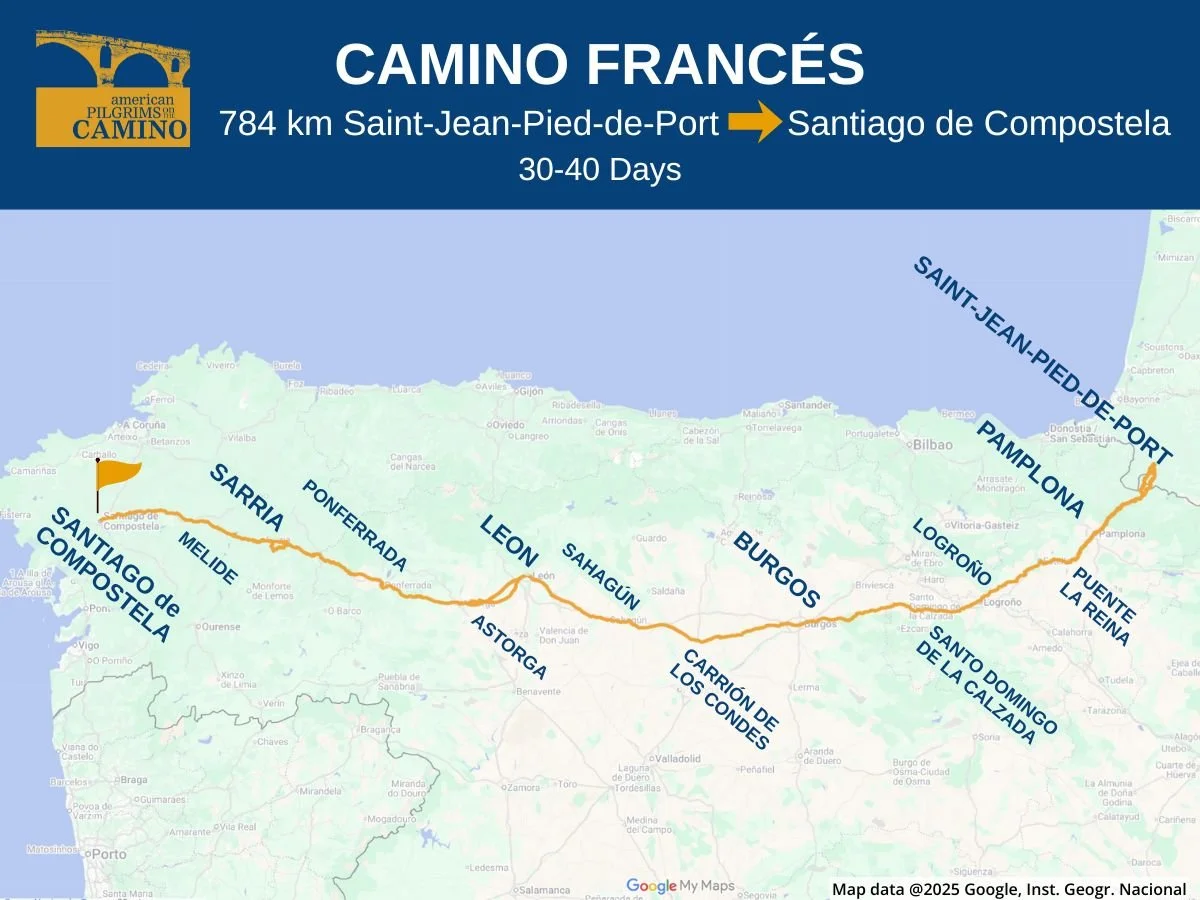
What most people think of as “the” Camino de Santiago is known in Spain as the Camino Francés (French Way).
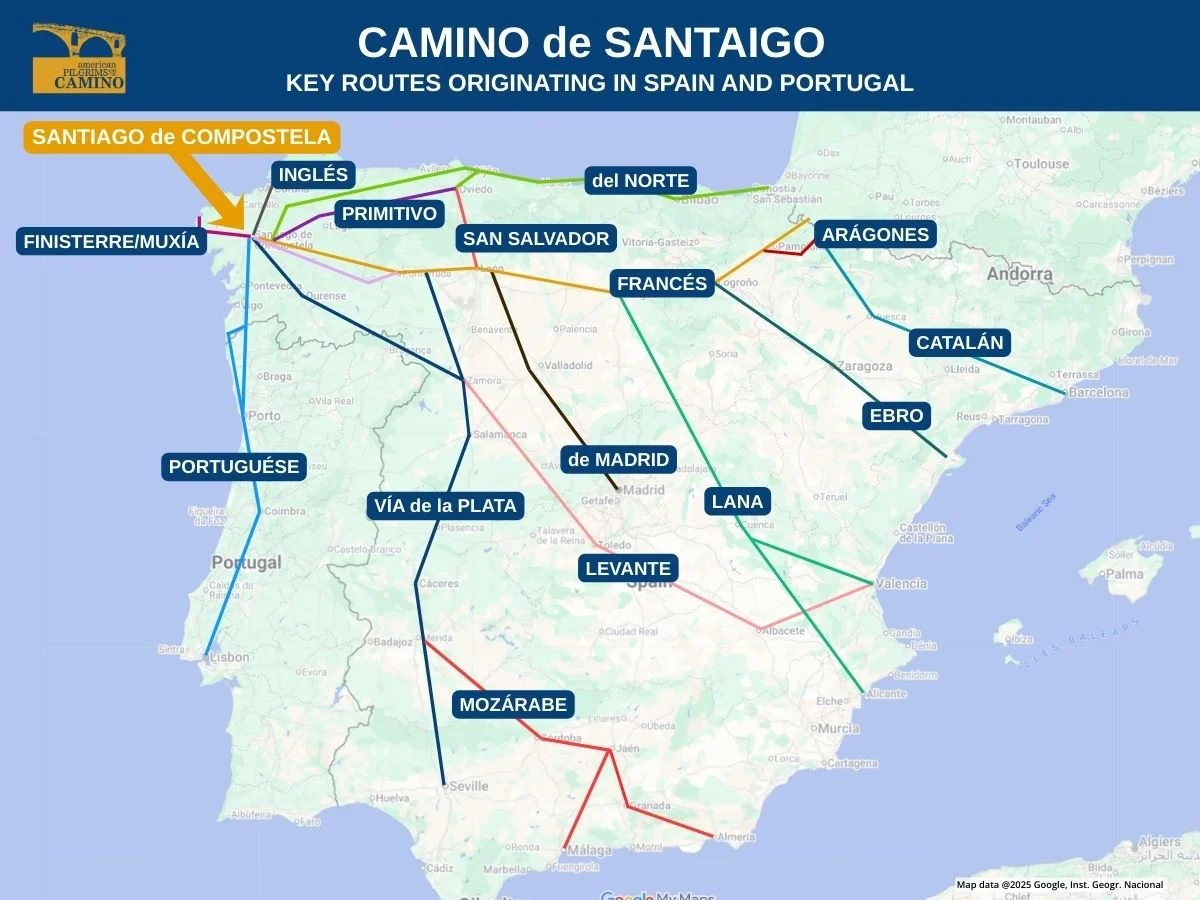
In fact there are many Caminos leading to Santiago from all over the iberia peninsula, many connecting to medieval pilgrimage routes and ancient Roman roads from Italy and France.
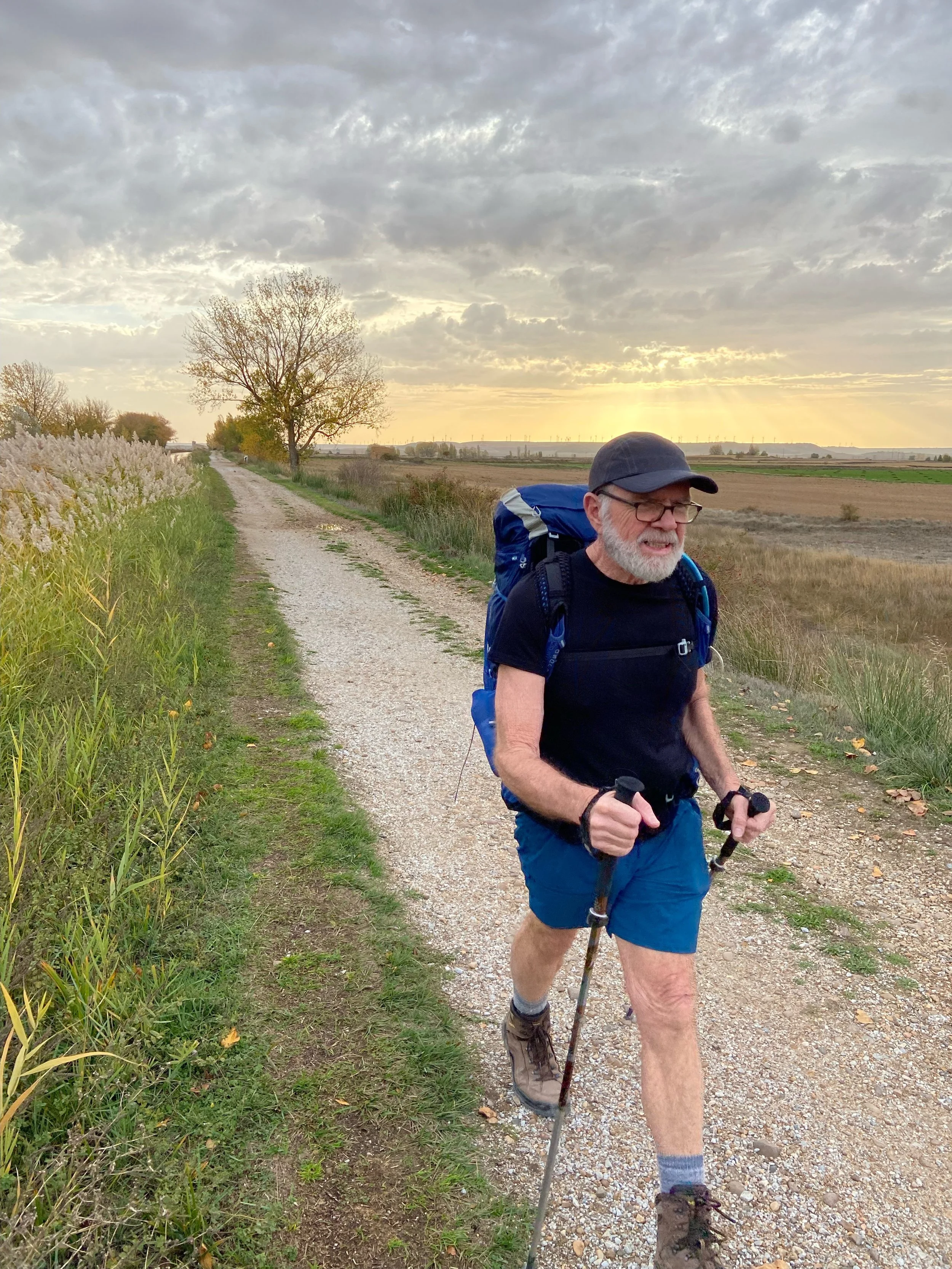
Fifteen years ago, I got myself a guidebook to what I thought at the time was THE Camino de Santiago (there are in fact MANY routes, though the “French Way” is by far the best known) and took a train to León, excessively outfitted and unsure what to expect. I intended to walk the 300 kilometers/200 miles from León to Santiago de Compostela in about 16 days. I had no advance reservations and no mobile phone service, and aside from day hikes and an occasional weekend backpacking trip, I had zero experience with long-distance walking. Sometimes there was ice in the mornings, and sometimes hot sun in the afternoons. Sometimes the wind blew fiercely and the rain fell in buckets. Sometimes my feet were sore and I got more tired than I ever thought possible. But I was hooked. Everyone has their own deeply personal reasons for walking the Camino. And why not walk it? People have been doing just that for over a thousand years, so who am I to argue with such a tradition? It was beautiful, historically and culturally rich; I met kind and interesting people, I walked alone for many meditative miles, and shared meals and stories with many fellow pilgrims along the way.
I’ve been exploring the ancient walking ways to Santiago since then, winding their way across the peninsula always toward Compostela. The French Way, Camino Francés, is only the best known and most heavily traveled; there are many others connecting all corners of Spain and Portugal, and even France, Italy and beyond, to Santiago. Underfoot, the dirt paths, medieval cobblestones and Roman paving slabs remind us that humans not unlike us have trod these paths for many centuries and many reasons.